Gurpatwant Singh Pannun Assassination Plot: US Charges Ex-Indian Intelligence Officer

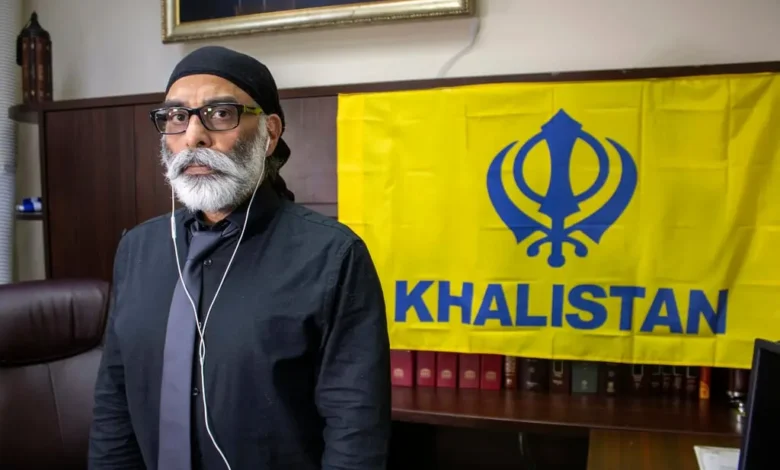
In a shocking turn of events, the United States has charged a former Indian intelligence officer, Vikash Yadav, for allegedly orchestrating a plot to assassinate Gurpatwant Singh Pannun, a prominent Sikh separatist leader. The indictment has sent ripples through international relations, highlighting the complex and often contentious dynamics between India and the Sikh separatist movement.
Main Points
- 1 Background
- 2 The Assassination Plot
- 3 US Charges and Legal Proceedings
- 4 Reactions from India
- 5 Reactions from the Sikh Community
- 6 International Implications
- 7 The Role of the FBI
- 8 The Legal Battle Ahead
- 9 Security Measures for Pannun
- 10 The Future of the Khalistan Movement
- 11 Media Coverage and Public Opinion
- 12 The Role of Social Media
- 13 The Response from Human Rights Organizations
- 14 The Broader Context
- 15 The Path Forward
Background
Gurpatwant Singh Pannun is a well-known figure in the Sikh separatist movement, advocating for the creation of Khalistan, an independent Sikh state. Pannun, a US citizen, has been a vocal critic of the Indian government and has faced numerous threats over the years. His activism has made him a target for those opposed to the Khalistan movement.
The plot to assassinate Pannun was uncovered by US federal prosecutors, who have charged Vikash Yadav, a former Indian intelligence officer, with murder-for-hire and money laundering. The indictment alleges that Yadav directed the plot from India, recruiting individuals to carry out the assassination in the United States.
The Assassination Plot
According to the US Department of Justice, the plot to assassinate Pannun was meticulously planned. Yadav allegedly recruited Nikhil Gupta, another Indian national, to find a hitman to carry out the assassination. Gupta was arrested in the Czech Republic in 2023 and has been detained in Brooklyn since then.
The indictment details how Yadav and Gupta communicated between early May 2023 and June 30, 2023, when Gupta was arrested. The plot involved significant financial transactions, with Yadav allegedly transferring funds to Gupta to facilitate the assassination.
US Charges and Legal Proceedings
The US Attorney’s Office for the Southern District of New York has charged Yadav with murder-for-hire and money laundering. The charges carry severe penalties, including life imprisonment. The indictment marks the first time the US has directly implicated an Indian government official in an assassination plot against a US citizen.
The legal proceedings are expected to be closely watched, with significant implications for US-India relations. The Indian government has stated that it is cooperating with the US investigation but has not responded to the specific charges against Yadav.
Reactions from India
The Indian government has been quick to distance itself from Yadav, stating that he is no longer an employee of the Indian government. The Ministry of External Affairs confirmed that Yadav was named in the US Justice Department’s indictment and emphasized that the Indian government is committed to upholding the rule of law.
The revelation has sparked a political debate in India, with opposition parties calling for a thorough investigation into the matter. The ruling party has maintained that the government had no knowledge of Yadav’s alleged activities and has pledged full cooperation with the US authorities.
Reactions from the Sikh Community
The Sikh community, both in India and abroad, has reacted strongly to the news of the assassination plot. Many have expressed outrage and concern over the safety of Sikh activists. Pannun’s supporters have called for increased security measures to protect him and other prominent figures in the Khalistan movement.
Pannun himself has issued a statement condemning the plot and calling for justice. He has reiterated his commitment to the Khalistan movement and vowed to continue his activism despite the threats.
International Implications
The charges against Yadav have significant international implications, particularly for US-India relations. The US has long been a supporter of human rights and freedom of expression, and the indictment underscores the importance of protecting these values.
The case also highlights the ongoing tensions between India and the Sikh separatist movement. The Khalistan movement has been a contentious issue for decades, with both sides accusing each other of violence and human rights abuses.
The Role of the FBI
The Federal Bureau of Investigation (FBI) played a crucial role in uncovering the assassination plot. The FBI’s investigation involved extensive surveillance, wiretaps, and financial tracking to gather evidence against Yadav and Gupta. The agency’s efforts have been praised for preventing a potentially deadly attack and bringing those responsible to justice.
The Legal Battle Ahead
The legal battle is expected to be lengthy and complex, with both sides presenting extensive evidence and arguments. Yadav’s defense team is likely to challenge the charges, arguing that he was not involved in the plot. The prosecution, on the other hand, will present evidence of Yadav’s communications and financial transactions to prove his involvement.
The trial will be closely watched by legal experts, human rights organizations, and the international community. The outcome will have significant implications for the fight against political violence and the protection of activists.
Security Measures for Pannun
In light of the assassination plot, security measures for Pannun have been significantly increased. US authorities have provided him with additional protection, including round-the-clock surveillance and secure transportation. Pannun’s supporters have also called for increased security for other Sikh activists who may be at risk.
The Future of the Khalistan Movement
The assassination plot has brought renewed attention to the Khalistan movement and its supporters. While the movement has faced significant challenges over the years, it remains a potent force among some segments of the Sikh community. The plot against Pannun has galvanized his supporters and highlighted the ongoing struggle for an independent Sikh state.
Media Coverage and Public Opinion
The media coverage of the assassination plot has been extensive, with news outlets around the world reporting on the charges against Yadav. Public opinion has been divided, with some expressing shock and outrage, while others have called for a more measured response.
The case has also sparked a broader debate about the role of intelligence agencies and the use of political violence. Many have called for greater transparency and accountability to prevent similar incidents in the future.
The Role of Social Media
Social media has played a significant role in spreading information about the assassination plot. Supporters of Pannun have used platforms like Twitter and Facebook to share updates and rally support. The hashtag #JusticeForPannun has trended on social media, highlighting the widespread concern over the plot.
The Response from Human Rights Organizations
Human rights organizations have condemned the assassination plot and called for a thorough investigation. Amnesty International and Human Rights Watch have issued statements urging the US and Indian governments to ensure that those responsible are held accountable.
The organizations have also called for increased protection for activists and a commitment to upholding human rights. They have emphasized the importance of protecting freedom of expression and the right to peaceful activism.
The Broader Context
The assassination plot against Pannun is part of a broader pattern of political violence and repression. Around the world, activists and dissidents face threats and attacks for their work. The case highlights the need for greater international cooperation to protect human rights and prevent political violence.
The Path Forward
As the legal proceedings unfold, the focus will be on ensuring justice for Pannun and holding those responsible accountable. The case will also serve as a reminder of the importance of protecting activists and upholding human rights.
The international community will be watching closely, and the outcome of the trial will have significant implications for US-India relations and the fight against political violence.